Source natural colorful turkey feather boa for Wedding Decorations
Compare 30 listings for natural colorful turkey feather boa from verified manufacturers. Buyers can evaluate prices, MOQs, and certifications for wedding, party, and decoration projects. Explore dyed colors, custom sizes, and veterinary certificates to find the perfect feather boa for your event needs today.
Key considerations
Products List
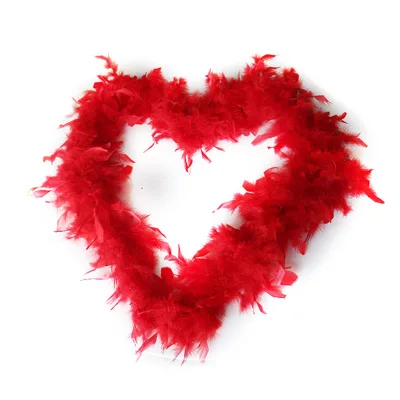
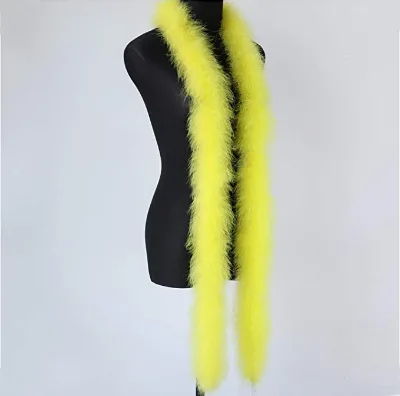
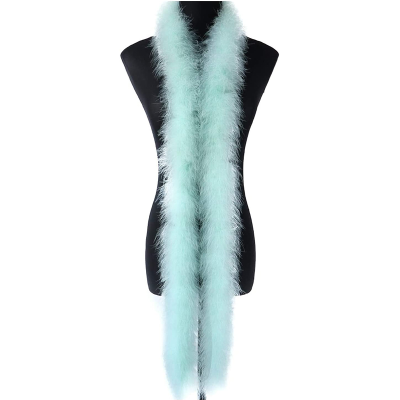
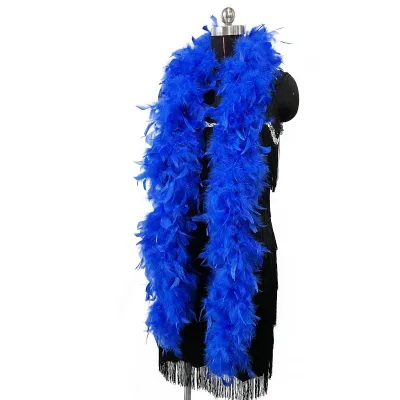
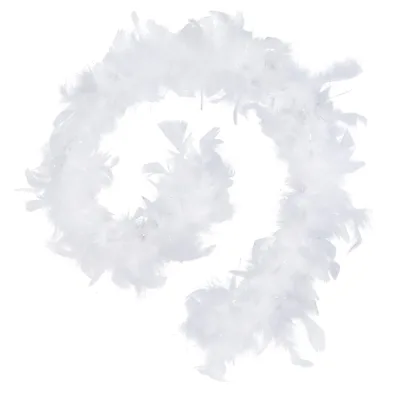
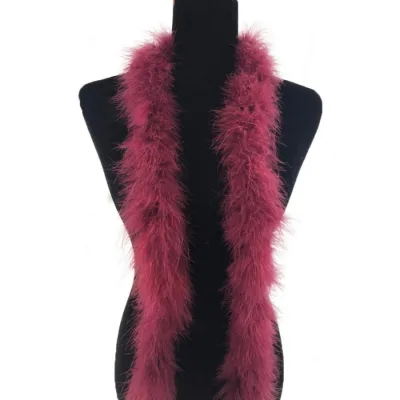
$0.70 - $1.08
Moq: 100
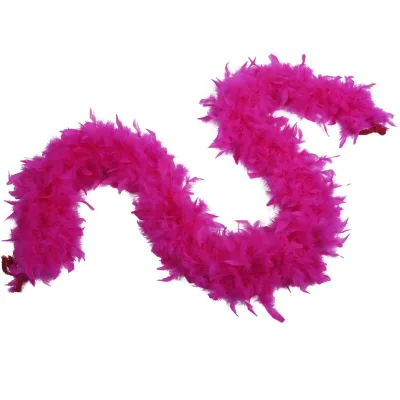



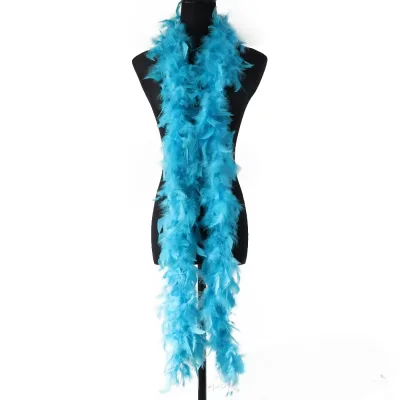
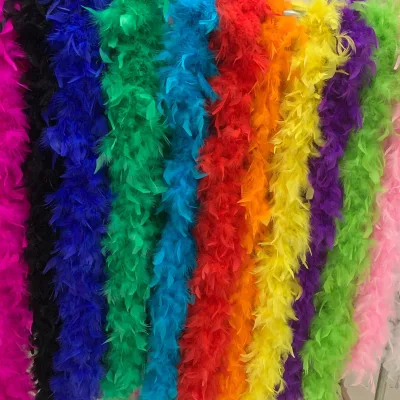
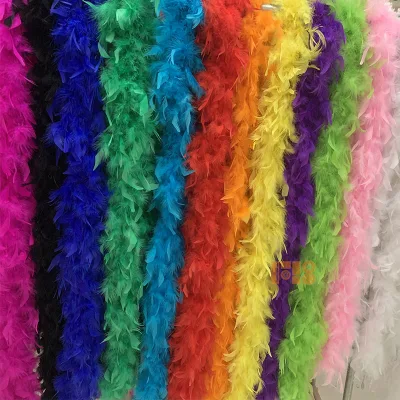
Comprehensive Sourcing Guide
Natural Colorful Turkey Feather Boa Sourcing Guide
Sourcing natural colorful turkey feather boas requires a nuanced understanding of material authenticity, dye stability, and supplier transparency. These decorative items are widely used in event styling, wedding decor, and party supplies, where visual impact and tactile quality are paramount. Buyers must distinguish between genuine natural turkey feathers and synthetic alternatives, as the latter often fail to deliver the desired fluffiness and drape. The market offers various lengths and weights, with common specifications including 2-meter lengths and weights ranging from 33 grams to 120 grams per piece. Understanding these physical attributes is the first step in defining precise procurement requirements.
The procurement process involves navigating a diverse supplier landscape, primarily concentrated in manufacturing hubs such as Anhui, Henan, and other regions in China. Suppliers often highlight their ability to produce custom colors and sizes, catering to specific brand or event themes. However, the term "natural" can be ambiguous; some listings specify "natural turkey feather" while others may use broader terms like "marabou" or "chandelle," which can refer to different feather types or processing methods. Buyers need to verify the exact material composition to ensure the product meets their aesthetic and quality standards. This guide provides a structured approach to evaluating suppliers, verifying specifications, and ensuring compliance with safety and quality expectations.
Product Scope and Observed Listing Signals
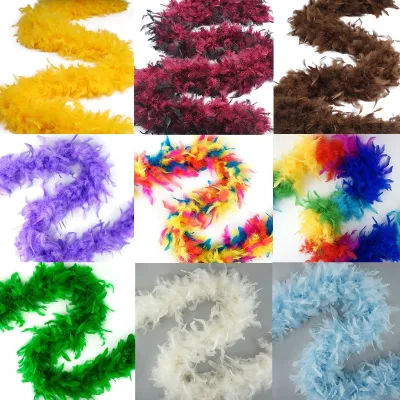
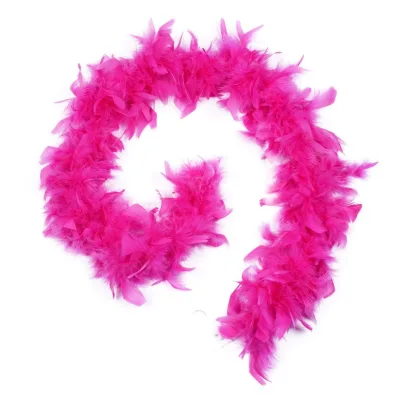
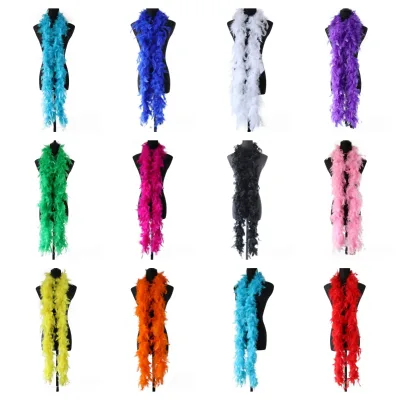
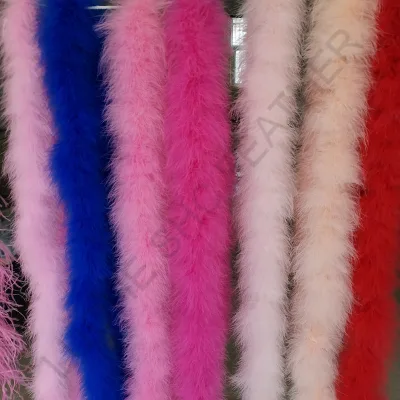
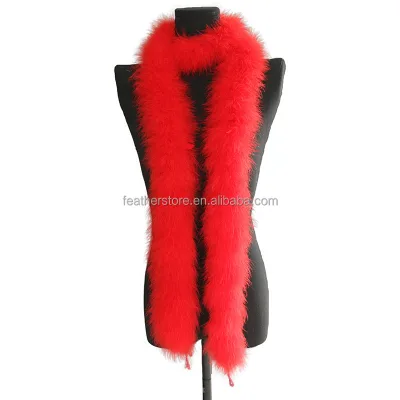
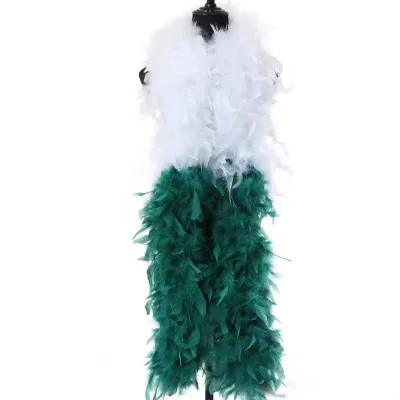
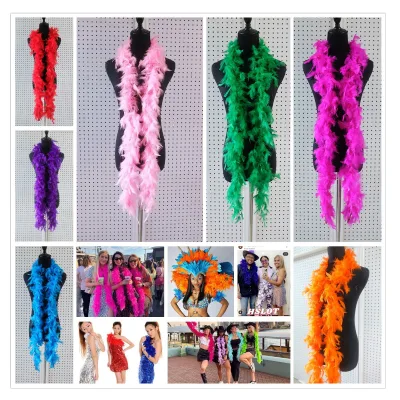
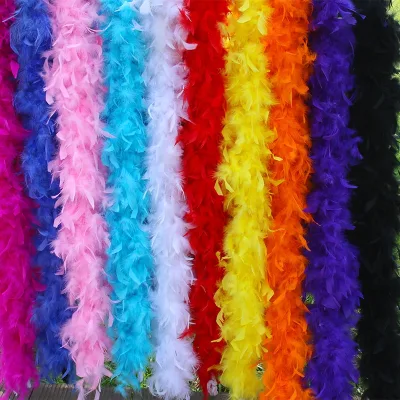
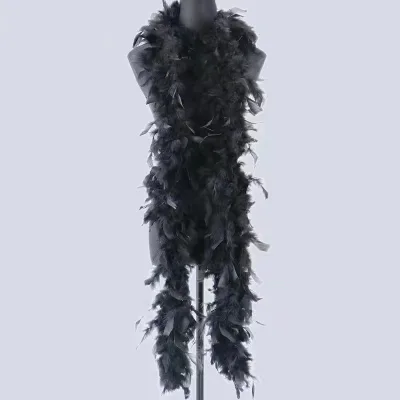
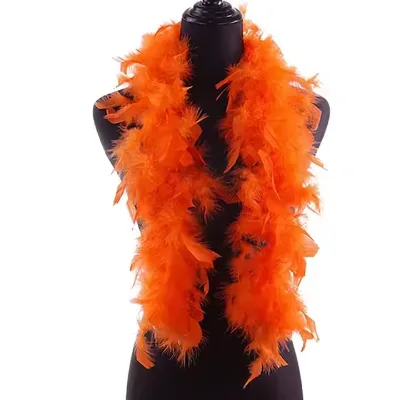
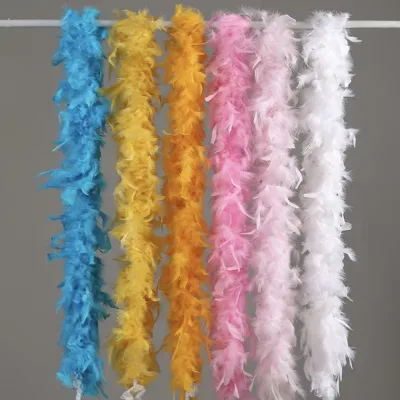
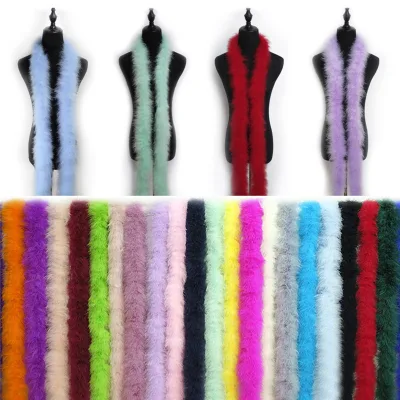
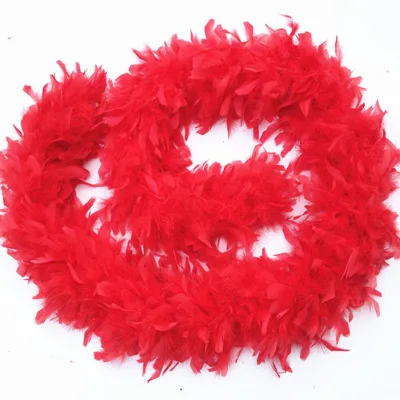
The observed market signals indicate a wide range of product variations, with model numbers such as XT-5, YMX001, and TFB33G representing different production lines or specifications. Listings frequently mention "dyed" patterns and a vast array of color options, including black, burgundy, light blue, orange, red, white, and various shades of pink, green, and purple. This customization capability is a key selling point for buyers seeking specific thematic elements for their events. The product names vary, with terms like "Turkey Feather Boa," "Marabou Feather Boa," and "Chandelle Feather boas" appearing in the data, suggesting that buyers must carefully cross-reference these terms with actual material samples to avoid misalignment between expectation and delivery.
Observed minimum order quantities (MOQs) range from 5 to 150 pieces or meters, with some suppliers setting an MOQ of 100 pieces per color or 100 meters. This variability allows for both small-scale trial orders and large-volume production runs. Packaging details typically include individual polybags for each boa, packed into carton boxes for bulk shipping. The single package size is often listed as 10x5x5 cm or 0.3x0.2x0.01 cm, indicating compact packaging that optimizes shipping costs. Buyers should note that while some listings claim "natural turkey feather," others may not explicitly state the material, requiring direct confirmation to ensure the product is made from genuine feathers rather than synthetic fibers or other animal hair.
Technical Specifications to Verify
Verifying the feather size and length is critical, as specifications such as "22 Gram 2 Yards Fluffy Craft Boa" or "2 meters per pcs" define the product's physical presence. The weight of the boa, ranging from 33 grams to 120 grams, significantly impacts its volume and fluffiness, which are key aesthetic factors. Buyers should request detailed specifications for each color variant, as weight and density can vary. Additionally, the "Feather Size (L x W)" is often listed as "Standard," but this term is vague and should be clarified with the supplier. Understanding the exact dimensions and weight helps in calculating the visual impact and ensuring the product meets the design requirements for decorations, weddings, or parties.
The customization options for size and color are extensive, with suppliers offering "Customized Size" and "Dyed Color (any Colors)." However, buyers must confirm the dyeing process and its impact on the feather's integrity. Some listings mention "Azo free test" and "Health certification," which are important for safety but do not guarantee the dye's longevity or colorfastness. Buyers should inquire about the dyeing method and request samples to test color consistency and durability. Furthermore, the "Single gross weight" of 1.000 kg or 0.14 kg per package provides insight into the packaging density, which affects shipping costs and handling. Clear communication on these technical details ensures that the final product aligns with the buyer's expectations.
Compliance and Safety Documentation
Safety and compliance are paramount, especially for products used in close proximity to people at events and weddings. Listings mention "Veterinary Certificate" and "Health Certi / Azo free test," which are essential for verifying that the feathers are sourced from healthy birds and treated with safe dyes. Azo-free dyes are particularly important as they reduce the risk of harmful chemical exposure. Buyers should request copies of these certificates to ensure they are valid and issued by recognized authorities. The presence of a "Test Report" and "Health certification" indicates a level of quality control, but buyers must verify the scope of these tests to ensure they cover the specific product being purchased.
In addition to chemical safety, buyers should consider the hygiene and cleanliness of the feathers. Processing methods can affect the presence of dust, odors, or residual chemicals. Suppliers who provide detailed information about their production processes and quality control measures are more likely to deliver safe and high-quality products. Buyers should also check if the supplier adheres to any international standards for textile and feather products, although specific standards are not always listed. Requesting a sample for independent testing can provide additional assurance of compliance. Ensuring that all documentation is up-to-date and relevant to the specific batch of goods is a critical step in mitigating risk.
Cost Drivers and Commercial Terms
The cost of natural colorful turkey feather boas is influenced by several factors, including the material quality, dye complexity, and order volume. The observed price range of 0.65 to 55 USD reflects the diversity in product specifications and supplier pricing strategies. Higher prices may correlate with better quality feathers, more complex dyeing processes, or smaller order quantities. The supply ability of 1,000,000,000 meters per month suggests that large suppliers can handle significant volumes, potentially offering economies of scale. Buyers should analyze the cost per unit in the context of the total order value, considering factors like shipping and handling.
Commercial terms such as MOQ, payment methods, and delivery times also impact the overall cost. The MOQ of 100 pieces or meters is common, but some suppliers offer lower MOQs for trial orders. Payment terms like "Trade Assurance" provide a layer of security for buyers, ensuring that funds are protected until the goods are received. The delivery time of 10-15 days is relatively quick, but buyers should confirm this timeline for custom orders, which may require additional time for dyeing and production. The port of dispatch, typically Shanghai, and the available shipping methods (sea, air, express) affect logistics costs and lead times. Understanding these commercial terms helps in budgeting and planning the procurement process effectively.
Supplier Qualification and Quality Control
Evaluating supplier qualification is essential to ensure a reliable partnership. The company nature is listed as "Manufacturer," which suggests direct control over the production process. However, buyers should verify this claim by requesting factory audits or video tours. Suppliers with a "Producing Advantage" in making molds and producing goods may have better control over quality and customization. The brand names "Xin Tian" and "Erhong" appear in the listings, but buyers should not rely solely on brand reputation. Instead, they should assess the supplier's track record, customer reviews, and responsiveness to inquiries. A qualified supplier will be transparent about their capabilities and willing to provide detailed information.
Quality control measures vary among suppliers, but those who provide detailed specifications and documentation are more likely to maintain consistent quality. Buyers should request samples before placing large orders to assess the feather quality, color accuracy, and packaging. The "Packing" method, such as individual polybags, helps protect the feathers during transit. Buyers should also inquire about the supplier's defect rate and return policy. Establishing clear quality standards and communication channels with the supplier is crucial for maintaining product consistency. Regular quality checks and feedback loops can help identify and address issues early in the production process, ensuring that the final product meets the buyer's expectations.
Long-Term Procurement Checks
Establishing long-term procurement relationships requires ongoing monitoring and evaluation. Buyers should regularly review supplier performance based on metrics such as delivery times, product quality, and communication responsiveness. Consistent performance indicates a reliable partner, while deviations may signal underlying issues. Buyers should also stay updated on market trends and new product offerings, as suppliers may introduce new colors or materials. Building a strong relationship with the supplier can lead to better pricing, priority production, and access to exclusive products. Regular communication and collaboration can help align the supplier's capabilities with the buyer's evolving needs.
Risk management is a critical component of long-term procurement. Buyers should diversify their supplier base to mitigate the risk of supply chain disruptions. Maintaining a list of alternative suppliers can provide flexibility in case of quality issues or capacity constraints. Buyers should also monitor regulatory changes and industry standards that may impact the procurement of feather products. Staying informed about these changes helps in adapting procurement strategies and ensuring compliance. By implementing robust long-term procurement checks, buyers can build a resilient and efficient supply chain that supports their business goals and ensures the consistent delivery of high-quality natural colorful turkey feather boas.
FAQs
What materials are used for these feather boas?
The boas are crafted from natural turkey feathers, ensuring a soft and luxurious texture. Some listings specify Chandelle or Marabou styles, while others highlight dyed colors. The material is suitable for various decorative applications, providing a fluffy and voluminous appearance for events and parties.
What is the typical MOQ for ordering these boas?
The minimum order quantity varies by supplier, typically ranging from 100 to 150 pieces or meters. Some manufacturers require 100 pieces per color, while others set a flat MOQ of 100 units. Buyers should verify the specific MOQ with the supplier before placing an order to ensure compliance.
Can I customize the color of the turkey feather boa?
Yes, many suppliers offer dyed boas in any requested color. Available options include black, burgundy, light blue, orange, red, white, and various shades like mint, purple, and coral. Buyers can specify their preferred color during the inquiry process to match their event or decoration theme perfectly.
What certifications are provided for these feather boas?
Suppliers often provide health certifications and veterinary certificates to ensure product safety. Some boas are tested to be azo-free, meeting specific health standards. These certifications are crucial for buyers who need to verify the quality and safety of the natural materials used in the feather boas.
How long does delivery take for these boas?
The typical delivery time is 10 to 15 days after order confirmation. Shipping methods include sea, air, and express delivery, depending on the buyer's preference and urgency. Buyers should confirm the exact lead time with the supplier, as it may vary based on production capacity and shipping route.
What are the common uses for turkey feather boas?
These boas are primarily used for decorations, weddings, and parties. They serve as event and party supplies, adding a fluffy and elegant touch to various occasions. The versatile nature of the boas makes them suitable for costume design, stage performances, and festive decor, enhancing the visual appeal of any event.